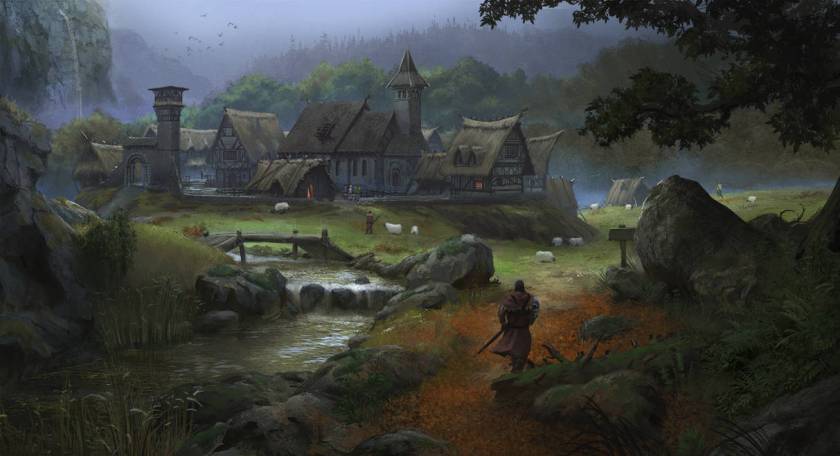
Featured Image: Klaus Pillon
I just finished my most recent campaign, and like every campaign I run, I track what I did for future reference.
Campaign Goals
In my latest campaign, I had a small group, only 2 players. We knew that we were actively searching for new players, so the goals of the campaign were simple.
- Start playing quickly
- Allow new players to jump in and out, with no concern for continuity, as to not add pressure to the hobby. We called this “Guest Starring.”
- Be able to promote those guest stars into regular characters if needed.
- Be okay with ending the campaign quickly if we do find players that are interested in being consistent and regular players.
Start Playing Quickly
The easiest way to start playing quickly, was to pick a spot on my world’s map, and play as the locals there. That way we didn’t need to have a complicated “get to know you/adventure hook” that needed to be decided. The two PCs already knew each other, and had to handle some minor threat.
The spot on the map was decided to be a small town, for the smallest necessary NPC and map design on my part. I didn’t even have to come up with a history of the town. I outsourced that to another game.
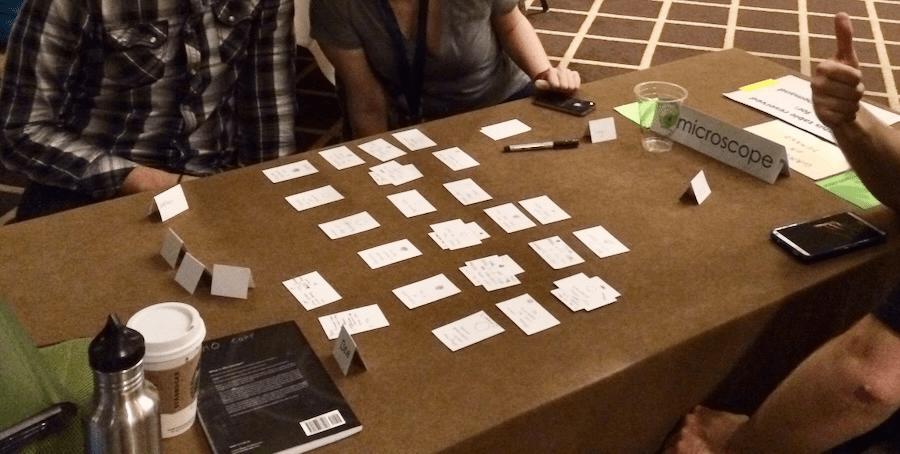
Before our first session, we all got together to play the Ben Robbins game Microscope. This allowed my players to do the heavy lifting of history and local area building. The only things I did was keep it consistent with my larger world building, which is not strictly allowed in Microscope, but I think Mr. Robbins would allow it. We spent an evening coming up with the towns history, it’s involvement in other, larger historical events, secrets that the PCs wouldn’t know yet, and pieces that would feed into their backstory. My players instantly felt connected to the town, and I did the smallest prep work I’ve ever done for a campaign.
Guest Stars
In this campaign we wanted a way for new players who were interested to be able to jump in and out. This required a decision both in the story, and in the mechanics of the game.
For the story, we made this small town, called Rockledge, on a major trade route, and known for a specific type of trade. In our game of Microscope, we determined the towns industry was run on fur trapping, for things like rabbits and deer, but also owlbears and griffons. This way people do often come through town, usually merchants, but also adventuring types as it’s a popular road between major areas. You know those small towns you pass on road trips, that have one huge factory right off the highway, and you might stop by for gas and McDonalds? It’s like that.
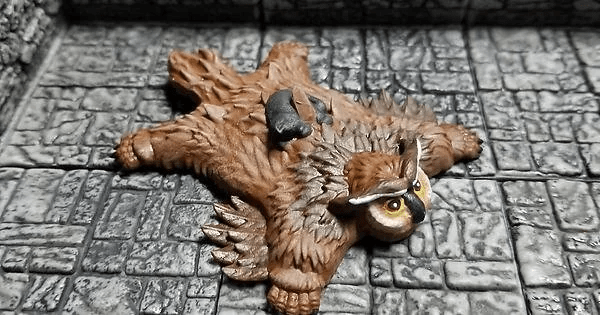
For the game, we wanted to keep to more episodic, almost one-shot style. This allowed these guest stars to play a single session, not feel like they are missing a bunch of context, and have a complete story in that session. We made it so that the town is threatened weekly by the more dangerous creatures in their nearby forest, like the owlbear and griffon. If the owlbear leaves its normal hunting pattern and gets into town, the PCs are the ones who are told to take care of them.
The town has guards, but guards focus more on tavern brawls and people not paying their taxes. So our heroes are Thanes, people that work for the local noble, and handle things like goblins.
We realized, this is similar to the shows Supernatural or Buffy the Vampire Slayer, where each episode there’s a new monster causing problems, that the heroes have to go and stop, so things can return to the status quo. This helped in my adventure design later.
Promoting Guest Stars
Near the end of the campaign, as we had players that wanted to join regularly, we found a place for them before we wrapped up the campaign. They would become sidekicks!
Of the two main characters, one was the daughter of the Captain of the town guard, and the other was a Cleric, that later became a member of a Knighthood faction. So towards the end of the game, the daughter of the Captain of the guard was promoted to new Captain of the Guard, and the new player took her place as Thane. As far as the Knight went, the new character played the Squire of the Knight.
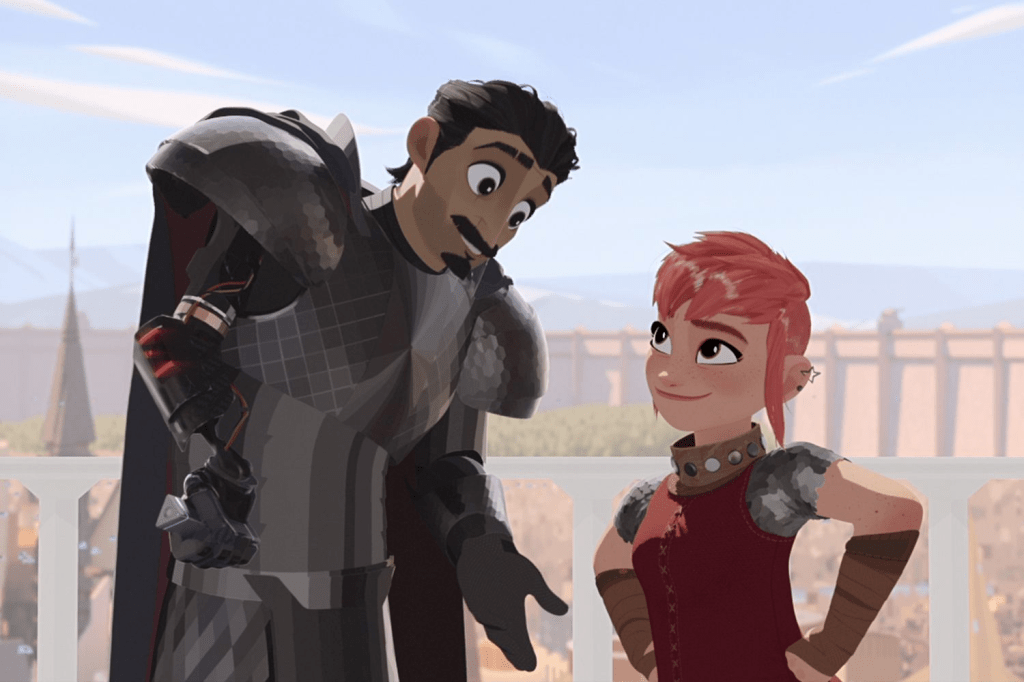
Both of these new characters were lower level from the main characters, and were actively learning from them. The experienced players were also helping the new players with game rules and mechanics, so it became a nice balance of help and natural leadership. This also helped the experienced players feel more heroic, as they could see themselves, younger, in these new characters.
Quick Ending
For this one, this is the natural culmination of all the other decisions made. When it came time for the campaign to end, it was easy to just say that the characters retired out of Thane work. They moved on to other things, and the story of the Thanes of Rockledge came to an end. No deaths, no epic BBEG, they just found new work that they were suited for at that point. They became overqualified to be Thanes.
Adventure Prep
For this monster of the week, Supernatural, episodic type campaign, I had to come up with a whole new style of adventure prep.
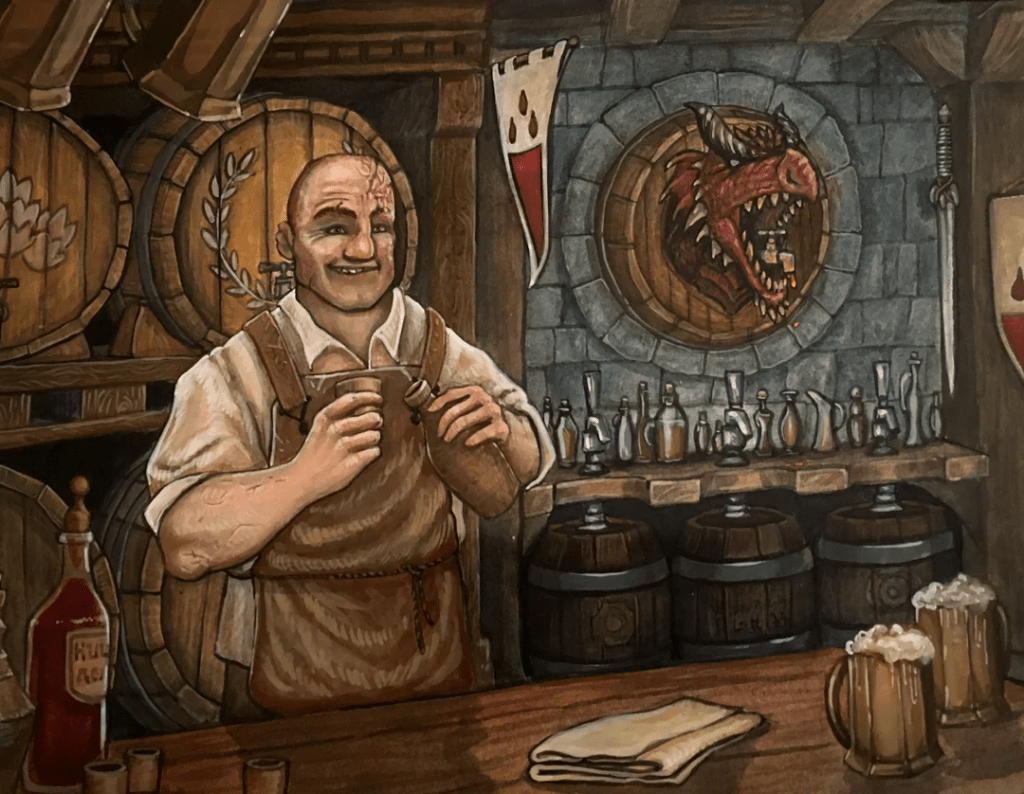
First, I had to pick the Monster of that week. I tried to rotate between a magical monster, and mundane monster, and another threat. For example, I would do a Mimic, an Owlbear, and then Goblins.
I would determine what the monster was attracted to, called Lures, which would help me figure out the first victim, as well as ways to plan ahead. This could also be called Bait.
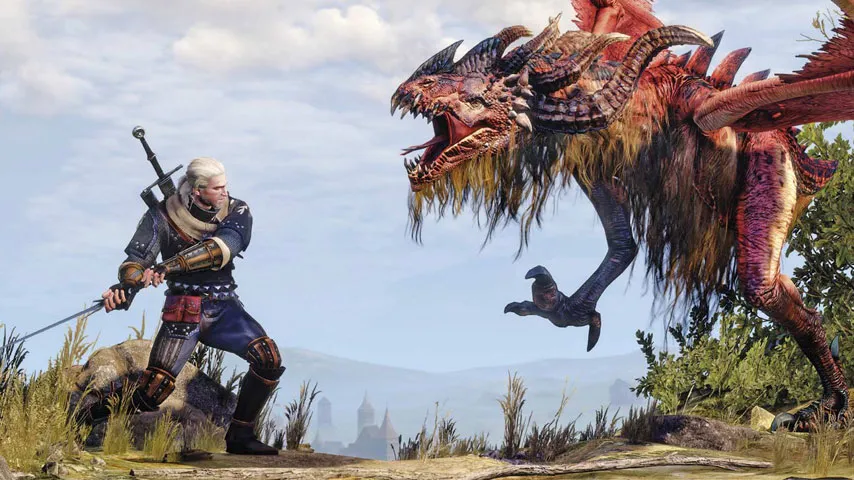
Once I figured out who the first victim was, I figured out what clue the monster left behind. The first thing the players would hear about is reports from a victim, and use their imperfect knowledge, and the clues left in the area, to try to determine what the monster was. If I could, I would find a similar, but wrong creature, that the victims try to blame. People that see a monster always assume it’s something way worse than it is. A peryton is a demon bird, a wyvern is a full dragon, etc.
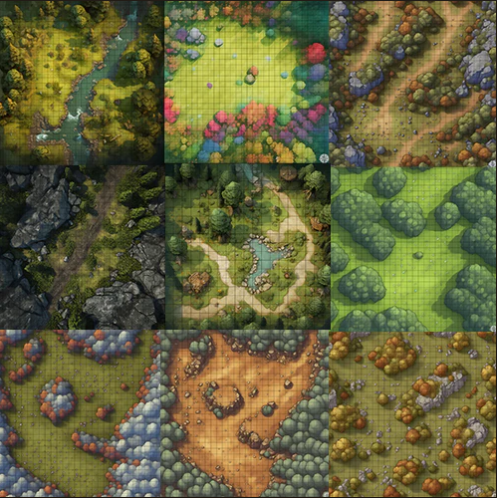
Next I would determine what the monsters lair was. This could be a cave, a nest in a tree, or small goblin camp. I flipped through generic D&D maps, and the first one that made me say “that could work” is what I would use.
Because I wanted the monster to be the centerpiece of the session, I would enhance the stat block. I would first read their listing on the blog The Monsters Know What They’re Doing which looks at their tactics based on their stat block. Then I would search the 4th edition version of the monster, or the Flee, Mortals! version to see if there were any new and interesting attacks or actions I could add. I also usually gave them a single Legendary Action, so they could go between my two PCs, and keep the Action Economy more balanced.
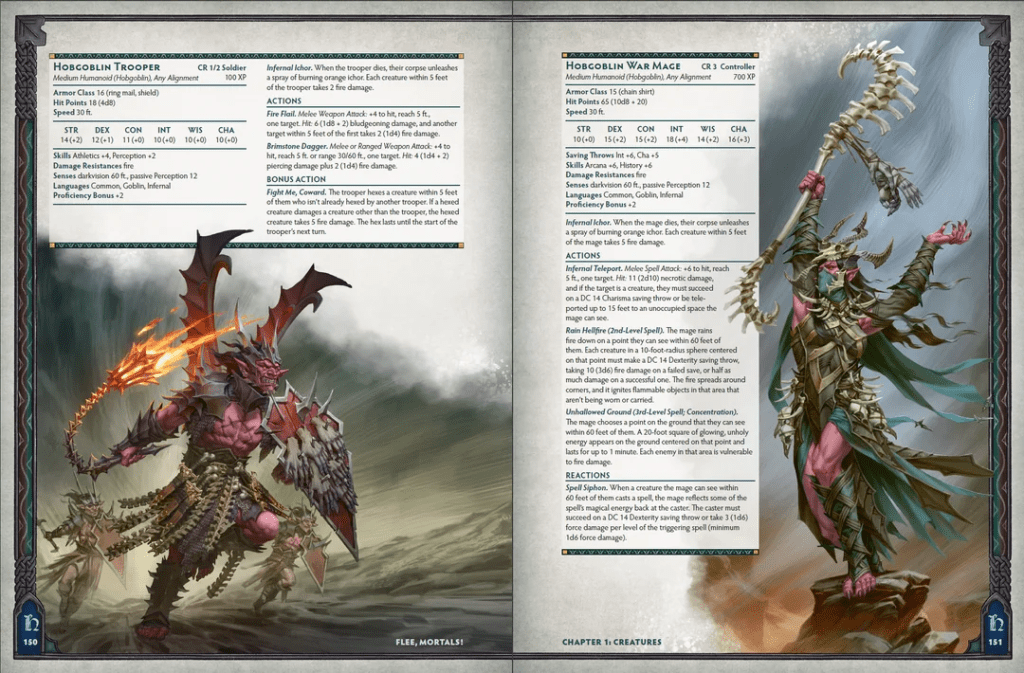
There were instances where I wouldn’t give them Legendary Actions, and that is when the monster had a minion. This might be the creatures young, or a weaker creature that was symbiotic. For example, a goblin tribe would have wargs, or a Griffon could have baby griffons.
Lastly, I would figure out what loot the monster left. This is usually in the form of things you can scavenge from the monsters body, like the scales of a behir can be stitched into scale mail with lightning resistance.
Adventure Writing
Now that I know all the important aspects of the monster, I would write the information as follows. This isn’t railroading, it’s just the order that I might find the information most useful.
Roleplay with Victim – Who is the victim, how where they attacked, what did they believe it is?
Research Phase – Besides the victim, who has information that could be helpful on the monster. The Hunting Guild has different info than the town wizard would, which is different than the guards would, etc.
Track Monster – Skill challenge, in the style of 4e.
Fight Monster – The monsters stat block. I usually have it so the monster flees at low health, around 1/4 of their total HP.
Track Monster – If the monster successfully flees, then we do another skill check. This also gives the players an opportunity to take the information they have about the creature, go back to town, and perhaps get something that might help in the final fight.
Lair – The monsters lair map, minions, loot, etc.
Closing Roleplay – An idea on how the victim or other NPCs will react to the Thanes’ success.
 The Nerdd